
Pass-SING: gender, sound, power and patriarchy
Sound creation and auditory perception are deeply intertwined with social hierarchies. This article examines gender dynamics at interpersonal levels and patriarchal structures at political scales, tracing the history of sound as power.
Gods: Divine Sound Authority
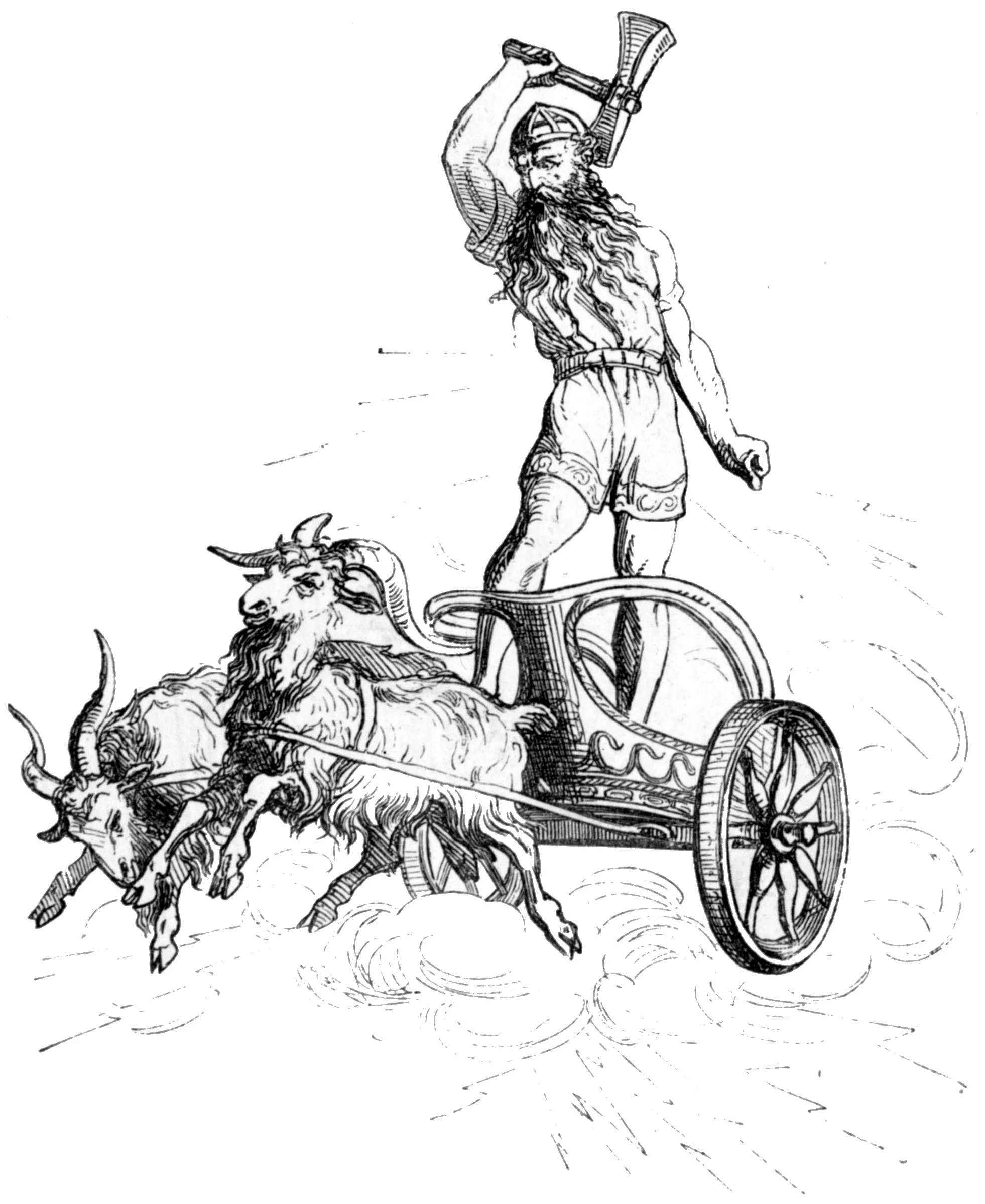
Throughout human history, divine beings held ultimate sound-making power. Religious texts emphasize the Word’s primacy—“In the beginning was the Word, and the Word was with God” (John 1:1). Norse mythology gave us Thor, whose hammer created thunder.
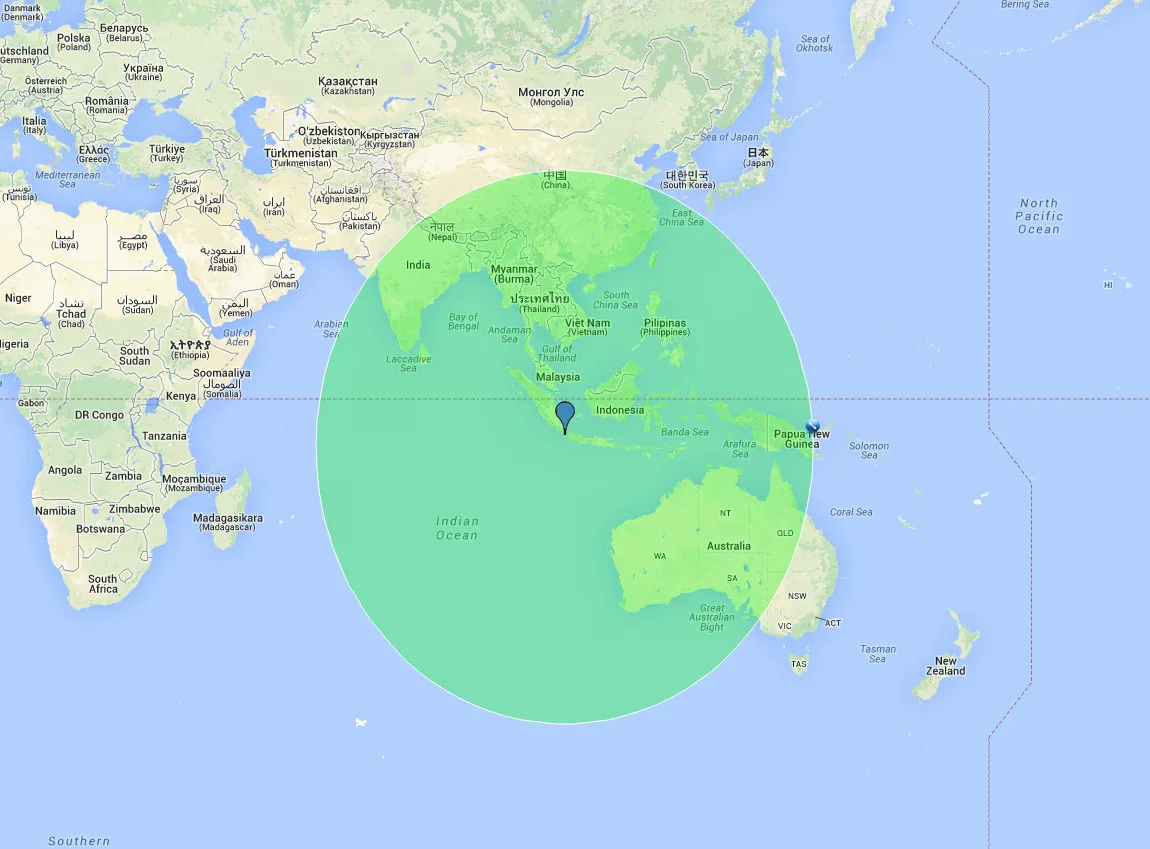
Natural phenomena like volcanic eruptions represented divine vocal power. The 1883 Krakatoa explosion was heard 3,000 miles away—nature demonstrating ultimate sonic dominance.
Kings: Institutional Sound Control
Pre-industrial societies were aurally-centered. Plato’s Republic limited ideal cities to 5,040 inhabitants—the maximum addressable by a single orator. Oration, mnemonics and rhyme were the primary carriers of plays, poems, philosophy and ideas before literacy expanded written communication’s reach.
The radius of a church bell defined community boundaries. Kings and religious institutions weaponized sound strategically—church bells, muezzins’ calls, and the sounds of armies marching represented institutional control.
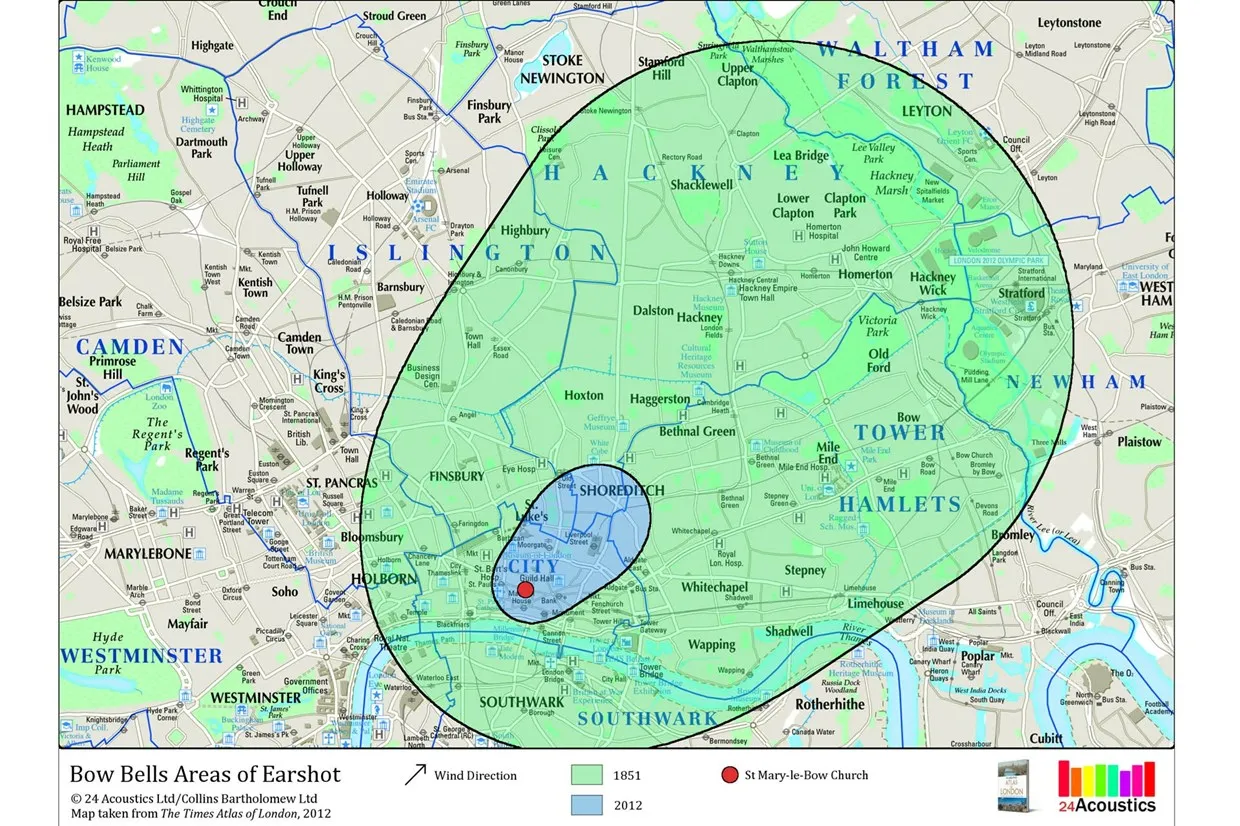
As urban centers industrialized, centres of industry and civilisation became centres of noise in a literal sense. Control over sound shifted from religious to secular authorities.
Capitalists: Industrial Soundscapes
The Industrial Revolution introduced mechanized soundscapes—a consistent, insistent hum at a much broader range of frequencies—replacing intermittent human-created sounds. Machines amplified by fuel rather than labor fundamentally transformed acoustic landscapes.
Background noise levels rise approximately 6 decibels per decade. The soundscape of modern life is qualitatively different from anything humans experienced before the 19th century.
Performance: Sound and Gender Identity
State institutions shape listening preferences through patronage systems. Classical music and opera receive disproportionate funding compared to jazz and rock. Listening is socialised—cultural contexts determine auditory preferences.
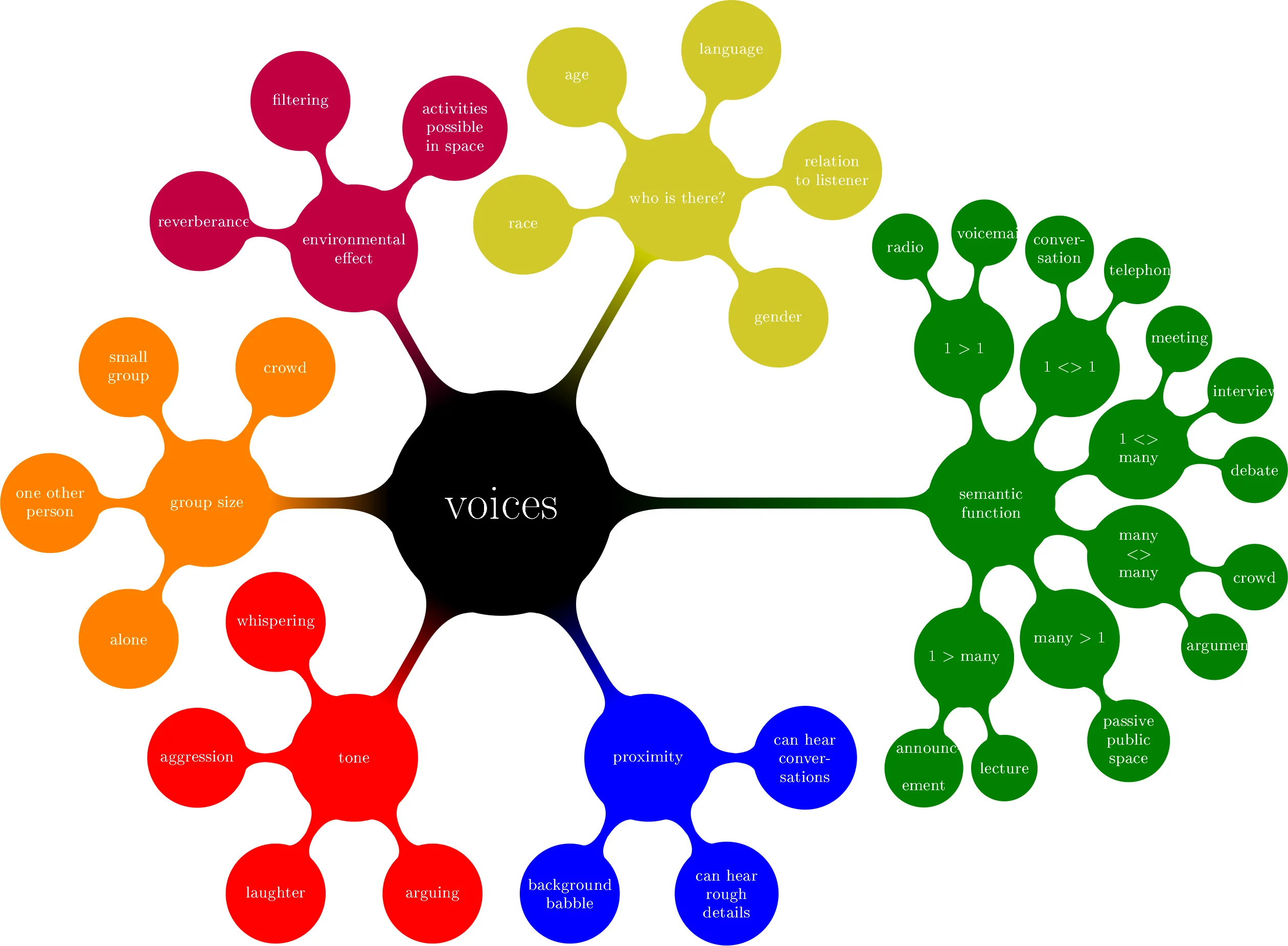
Voice as gendered performance: Attempting to pass as a different gender reveals voice as one of the hardest elements to crack. Body sounds—footsteps in heels, breathing patterns, clothing friction—all carry gendered meaning.
Various bodily sounds carry gendered associations:
- Footsteps (high heels signify femininity)
- Respiratory sounds (restraint coded feminine)
- Clothing noise (jewelry, fabric rustling)
Gender and Speech Patterns
A 1980s conversational analysis study documented stark disparities in formal meeting settings: men’s turns were 1/4 to nearly 4 times longer than women’s. Men averaged 32.87 words per turn versus women’s 8.58 words.

Patriarchal systems amplify inequality in public speaking contexts. Parliament and corporate boards demonstrate continued male vocal dominance despite workforce representation improvements elsewhere. Women experience greater scrutiny when occupying public-speaking roles.
Silence paradoxically frightens women—associated with vulnerability in abandoned spaces—yet societal expectations demand female silence. This contradiction reveals how patriarchal systems use sound and its absence to control women’s behavior.
Conclusions
Shifting focus from visual gender performance toward auditory awareness offers pathways toward questioning patriarchal messaging. Developing listening skills and recognizing sound’s role in identity formation might help individuals escape patriarchal messaging about bodies and behaviors through non-visual engagement modes.
Sound is power. Understanding who gets to make noise, who must be silent, and how we learn these rules is essential to understanding—and challenging—social hierarchies.
Last modified: 2 Apr 2026